
Ensalada Filosófica. -Crítica y opinión sobre diversos temas comunes.-
viernes, 10 de mayo de 2019

lunes, 22 de abril de 2019
HOW ZIZEK SHOULD HAVE REPLIED TO JORDAN PETERSON

A missed opportunity to respond to facile critiques of socialism…
If you had the misfortune of suffering through the “debate” between Jordan Peterson and Slavoj Zizek, I offer you my solidarity. Peterson and Zizek put on one of the most pathetic displays in the history of intellectuals arguing with each other in public. This was not Foucault versus Chomsky or even Hitchens versus Hitchens. It almost makes the Bill Nye versus Ken Ham debate look good, and that’s really saying something. Peterson and Zizek began with long, 30-minute speeches, ostensibly on the subject of which system is more conducive to human happiness—capitalism or socialism. The two speeches had virtually nothing to do with each other and very little to do with the topic.
Peterson went first. If you did high school debate, you know that this should have given Zizek an advantage. He knows what Peterson has said, and in theory this should enable him to reply to Peterson. But instead, Zizek read a bizarre, meandering, canned speech which had very little to do with anything Peterson said or with the assigned topic. This is a pity, because Peterson made an argument I have seen many times, one which is incredibly easy to beat.
I teach politics at the University of Cambridge, and we have this class called The Modern State and Its Alternatives. One week, we have the students read The Communist Manifesto along with a bunch of other texts on communism and socialism. My students then write a 2,000 word paper in response to the prompt “Is socialism a viable alternative to capitalism?” Most students write something interesting, but every year a small number of people write what I call “the bad Marx paper.” There are three necessary features which distinguish a bad Marx paper:
- The paper contains a close reading of the Manifesto.
- The paper contains almost no references to any other texts, either by Marx or by other socialist thinkers.
- The paper contains a long digression about all the reasons the Soviet Union was terrible. I call this the “tankie-bashing” bit.
It’s very clear what has happened. The student read the Manifesto, because it is short and doesn’t take very long. They didn’t read any other socialist texts. Eventually, they ran out of things to say about the Manifesto and filled up the rest of the word count with tankie bashing.
This is what Jordan Peterson did with his half hour.
He starts by saying he read the Manifesto, as all first year students do:
Alright, so, how did I prepare for this? I went—I familiarized myself to the degree that it was possible, with Slavoj Zizek’s work, and that wasn’t that possible because he has a lot of work and he’s a very original thinker, and this debate was put together in relatively short order. And what I did instead was return to what I regarded as the original cause of all the trouble, let’s say, which was The Communist Manifesto. And what I attempted to do—because that’s Marx, and we’re here to talk about Marxism, let’s say—and, what I tried to do was read it.
Peterson then claims to have picked out 10 claims in the Manifestowith which he disagreed. He doesn’t number them, but with some effort I think I managed to pick out the 10:
- History is to be viewed primarily as an economic class struggle. Peterson disagrees, because people have non-economic motivations. But he does admit that human beings are often hierarchical, and that hierarchies tend to concentrate power. Might we think of the rulers as one class and the non-rulers as another class?
- Peterson argues that Marxism doesn’t deal with natural scarcity, that we need hierarchy to deal with that. Fortunately for us, Peterson then claims that human hierarchies aren’t exploitative because that’s “unstable.” He doesn’t defend this assertion or engage with the Marxist conception of exploitation, presumably because he only read the Manifesto and neglected other work which clarifies it.
- History can be thought of as a binary class struggle, with clear divisions between the proletariat and the bourgeoisie.Peterson disagrees, because he thinks this division is unclear. He doesn’t engage with Marxist definitions of these terms, presumably because he only read the Manifesto and neglected other work which clarifies them, like G.A. Cohen’s Karl Marx’s Theory of History: A Defence. He claims that the Soviet-era deaths were caused by this lack of clarity—the first instance of tankie bashing. He also alleges Marx to be something of a Manichean, claiming that Marx views the bourgeoisie as “all-bad” and the proletariat as “all-good.” Peterson says this is why he doesn’t like identity politics. At no point in this is Peterson using any citations or quotes to support these claims. At least my students will make some effort to show how their interpretation is supported by the text.
- The notion of the “dictatorship of the proletariat.” Peterson says that Marx thinks this is a good idea because he thinks the proletariat is inherently good. Peterson says the proletariat can’t rule as a class, that certain members of the proletariat inevitably rule, and these people are corruptible. Marx himself is admittedly pretty vague about socialist political institutions. Many other socialists have more to say about them, like Eduard Bernstein, but Peterson only read the Manifesto and only seems interested in talking about Soviet-style institutions.
- Peterson now says that you can’t take a complicated system like the free market and replace it with a centralised mechanism without specifying how the people who run this centralised mechanism will be chosen. Again, other socialists have thought about this, and some socialists—like Janos Kornai and Alec Nove—want some level of decentralization, at least in some sectors. But Peterson didn’t read them, and apparently he hasn’t read them in his 56 years on the planet, despite repeatedly giving authoritative talks which purport to be about Marxism. He does not seem to have encountered the notion that you can be a socialist without being for unlimited centralization.
- Nothing the capitalists do counts as labour. Peterson admits that landed aristocrats don’t engage in labour, but he claims that people who run businesses are adding value as “managers.” He also claims that it doesn’t make sense for these managers to exploit their workers, because they would get more value out of the workers by not exploiting them. Peterson doesn’t see that attempting to get maximum value out of one’s workers is constitutive of exploitation for Marxists because Peterson hasn’t read enough Marxists to know how they use that term. He also doesn’t bother to engage with the Ehrenreichs’ work on the “professional-managerial class”, or “PMC.”
- Profit is theft. Peterson disagrees, arguing that because the managers add value, they are entitled to profit. But this isn’t what Marxists mean by “profit.” Profit is not the money the firm uses to pay the managers, it’s the money the firm uses to pay investors or to reinvest in the business. It’s tied to investment, not managerial compensation. The Marxist objection is not to investment per se—socialist states do a lot of investing—but to the exploitative relationships which bring that investment about. But Peterson didn’t read Cohen and the Ehrenreichs, so he doesn’t have a detailed picture. Peterson then makes an argument which vaguely appeals to the value profit has in sending price signals to producers, but lots of socialist models include price signaling mechanics—Nove discusses them at length.
- The proletariat will become “magically hyperproductive.” Peterson says he couldn’t figure out why Marx thinks socialism is more productive than capitalism. There are other theorists who have discussed the ways in which capitalism might begin to “fetter” the productive forces in ways which socialism could unleash—particularly Cohen—but Peterson doesn’t read them.
- Eventually this hyperproductivity will create a post-scarcity condition. Here Peterson briefly name-checks the theory of alienation, which has heretofore been left out, claiming that for Marx this is the point at which it becomes possible to do away with alienation through spontaneous creative work. Peterson thinks this creative work doesn’t suit everyone. Most socialists don’t share Marx’s notion of the perfect human life and envision a diverse array of cool things to doin their utopias, but say it with me: Peterson doesn’t read most socialists.
- Marx says that the capitalist system is, to this point, the most productive system. Peterson thinks this is Marx conceding the argument—if capitalism is the most productive system in history, why change it? This is the point in the talk where Peterson most clearly reveals his lack of engagement with the content of Marx’s theory of history. Marx thinks that each economic system is the most productive in history when first introduced, but that eventually each outlives its usefulness and is replaced by something more appropriate to the technology of the time. It’s at a point like this where I really wish Peterson would read Cohen’s Defence.
Peterson spends his remaining time alleging that Marx’s theory led to a “special form of hell”—more tankie bashing—while claiming that all systems produce inequality, but at least capitalism generates a lot of wealth.
The core issue with all of this is that the Manifesto does not, by itself, provide the reader with the full understanding of the different ways of interpreting Marxian socialism—let alone all the other kinds of socialism that are out there these days. This is why we don’t simply assign the Manifesto by itself. It is accompanied by a variety of additional texts, some of which are socialist and some of which criticize the socialist project. Students who do the reading often have interesting things to say about the viability of socialism, from multiple ideological perspectives. I wouldn’t be writing this piece if Peterson produced a thoughtful, critical engagement. The problem is that he is treated as a great intellectual and invited to speak to large audiences about socialism when it’s very clear he hasn’t read anything about it.
In my view, Marx makes three key contributions to the history of thought, each of which has been further refined and added to by those who have been influenced by him:
- The theory of alienation, which criticises capitalism for denying us the opportunity to be creative or to otherwise self-actualize.
- The theory of exploitation, which criticizes capitalism for forcing workers to surrender some of the value of what they produce by threatening them with starvation and homelessness.
- The theory of history, also known as “historical materialism,” “dialectical materialism,” and even “technological determinism,” which alleges that more competitive economic systems out-compete less competitive systems and that social structures, ideas, and cultures develop in a manner which serves to legitimate and support these economic system. In other words, the mode of production, or the “base,” determines the social relations, or the “superstructure.”
Peterson doesn’t seem to deny that capitalism involves alienation and exploitation, but he sometimes expresses uncertainty about how precisely exploitation works. To be clear, the people who are exploited are the people who are compelled to work by the threat of poverty. These are the wage-earners. The people who don’t have to work for a living because they have enough resources to be idle might, in some cases, do some work anyway. But if they are not being compelled to work, because they are capable of living comfortably off their investments, they are people who live off what they own rather than what they earn. This is what separates the proletariat from the bourgeoisie. The proles earn wages, the bourgeois own capital. There are some people—primarily professionals and managers—who earn enough to retire and live off investments without the assistance of a public or employer-funded pension scheme. These people are the PMCs—the people the Ehrenreichs talk about. They do the actual work of managing the economy and are given just enough that they will tend to help the truly rich defend the system. But there’s a large gap between them and the wealthy. Millionaires are not billionaires. Wilson Chandler, a middling NBA player for the LA Clippers, made $12.8 million this year. He has a net worth of $35 million. He’s in the top 0.01 percent of the income distribution. But he’s paid by Steve Ballmer, a man with a net worth of $46.5 billion. He spent $2 billion just buying the team. Chandler’s net worth is 0.07 percent of Ballmer’s net worth. Ballmer could employ more than 3600 Wilson Chandlers in a year before he’d run out of wealth. Chandler is a professional. Ballmer is an owner.
But while Peterson evinces some understanding of what the theories of alienation and exploitation are about, he misses the theory of history completely. To start, Peterson thinks that Marx is uninterested in humanity’s battle with nature. But this is precisely where the theory of history begins. For Marx, we develop economic systems to meet our material needs—to ensure we have the resources we need to survive. For Marx, primitive economic systems—like chattel slavery, feudalism, and capitalism—rely on the exploitation of human labor power to meet those needs. But eventually, Marx hopes we can develop the technology necessary to end exploitation, and even to overcome material scarcity itself. Peterson thinks Marx isn’t interested in nature, but Marx’s theory of history is a theory of how human beings might overcome nature.
Each economic system produces the conditions necessary for its own obsolescence. When a society institutionalizes slavery or feudalism, that makes it possible for some of the people in that society to spend their time inventing new technologies that eventually make industrialization possible. Once industrialization is possible, societies need to be able to move their rural subjects to the cities and they need these workers to be able to quickly move from job to job, filling in wherever the new, fast-paced industrial economy needs them. Feudal peasants are tied to the land. Slaves are tied to particular masters. Workers in employer/employee wage relationships fit industrial capitalism better. So for Marx, the societies that more quickly moved beyond feudalism and slavery were able to industrialize faster, and the societies that moved more slowly needed to play catch-up or face the threat of being colonized by their competitors. Eventually, Marx thinks that capitalism will create new conditions that make even this employer/employee relationship untenable. Different Marxists have different views about when these “contradictions” will manifest or what they might look like. Lenin thought socialism was the only thing that could put a stop to the endless imperial struggle that was World War I. More recently, Socialists have suggested automation, climate change, and neoliberal accelerationmight subject the system to new pressures the theorists of a century ago could not anticipate, fettering capitalism in new ways and unlocking the potential of new forms of socialism.
Marx’s theory is rather Darwinian. The societies with more efficient economic systems subjugate and exploit the societies that are less efficient. The only way to compete is for the less efficient systems to copy their more efficient counterparts. So for Marx, socialism can only happen if it is capable of beating capitalism at its own game, of being more productive and more efficient than capitalism is. Otherwise, the capitalists will subjugate socialist societies in much the same way they subjugate feudal and tribal societies. This means that the theory of history mandates that the conditions for socialism ought to first arise in the most advanced capitalist states, where capitalism is most fully developed. But no one ever tried socialism in the United States or Western Europe. Instead, it was tried in poorer societies, like Russia, China, and many post-colonial states. This wasn’t in keeping with the theory of history, and so in a very real sense the ostensibly “Marxist” projects of the 20th century weren’t really very Marxist.
Many socialists don’t like the theory of history. They want to argue that socialism is possible in a wider array of places, and they believe that ideas and culture have a larger role to play in political change than historical materialism maintains. The fact that socialism has yet to materialize in the richest and most powerful capitalist states casts doubt on the theory, and the Frankfurt School socialists and their successors—including Zizek—have argued that it is capitalist culture and ideology which obstructs socialism in the west. Some of these socialists position themselves as revisers of the theory of history while others position themselves as its opponents. But some materialists continue to argue that capitalism has yet to produce the changes in our technology, our environment, and our political institutions which will eventually precipitate its collapse. Why have employees when robots can do the work people could do? How can capitalism be the most productive system, if it results in worldwide flooding and the destruction of so many of the people and places it built? How can capitalism sustain us if it kills the public services we rely on it to fund? How can it make us feel safe and happy when it makes our jobs precarious?
It might have been interesting to hear what Peterson thinks about automation, or climate change, or the austerity, precarity, and atomization associated with our neoliberal hell world. But Zizek didn’t push him to talk about these things, and Peterson doesn’t appear to have done the reading that would be necessary for him to produce an interesting conversation about them. Writing in the 19th century, Marx was something of a prophet, a futurist—he was imagining where capitalism might take us. But too often, when I see people debate capitalism and socialism, they talk about the past. Imagine if, instead of winding down feudalism and abolishing it in 1660, the British made the kinds of arguments Peterson made in this debate. They might have pointed out that feudalism made Britain richer than it had ever been before, that urban living can be grim and brutal, that going to work in factories would rip families and communities apart. And besides, don’t we care about other things aside from economics? What about God and the church? Didn’t Saint Augustine tell us to reject the city of man? Peterson celebrates a system his own arguments would have defeated. As we stare down the barrel of climate change, anxious and afraid, alone and isolated, perhaps some of us wish it had been so.
Such arguments were made by conservatives in Britain for eons, before, during, and after the capitalist transformation. The Lord of the Rings is the film version, with Sauron and those industrious orcs standing in for capitalism, and that copy-cat Saruman attempting to destroy Sauron by adopting the same economic system and becoming just like him. Tolkien is nostalgic for an imaginary medieval world full of good kings, merry elves, and happy hobbits with full bellies.
In the old days, capitalists knew they stood on perilous ground, facing fierce opposition from both the values of yesterday and the values of tomorrow. As the capitalist system grows older, it forgets its own story—the way it clawed and tore its way through the old feudal aristocracy, with tea parties and guillotines. It is not natural. Like all things, it has a lifespan. A century ago, during the 1924 U.K. General Election, even the Liberal Party knew one day socialism lay ahead:

Are we still beyond it? And if not, what comes next? How will capitalism handle all the messes it has created for us in the next 100 years? These are the questions Zizek should have asked Peterson. But he seems too sad and broken to try anymore. What’s the point of a socialist who thinks capitalist ideology has us so thoroughly trapped that we cannot get out? Not so long ago, Zizek compared ideology to a pair of glasses that we must painfully remove to see the world clearly. These days he seems to think we’ve all had LASIK.
Peterson didn’t prepare. There was an opportunity. But Zizek was too busy complaining about identity politics and his status within academia to try. He’s the sort of aging quitter we all hope to never be.
viernes, 8 de marzo de 2019
miércoles, 27 de febrero de 2019
lunes, 25 de febrero de 2019
jueves, 21 de febrero de 2019
“El problema es cómo la pantalla se ha apoderado del cerebro”
El pensador italiano Franco Berardi analiza los efectos del mundo digital en el ser humano
Barcelona
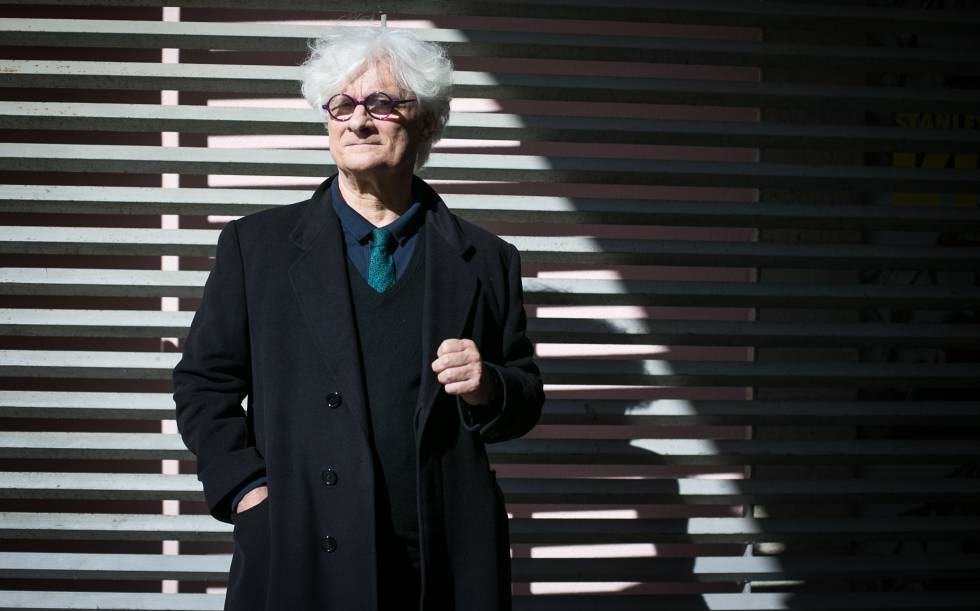
Franco Bifo Berardi combina la docencia como profesor de historia social de los medios de comunicación en la Academia de Bellas Artes de Brera (Milán) con la agitación cultural: creó el fanzine A/Traverso, Radio Alice —la primera emisora pirata de Italia— y la TV Orfeu, cuna de la televisión comunitaria en Italia. En sus libros indaga cómo las tecnologías digitales están generando una mutación del ser humano y aceleran de forma tan vertiginosa el tiempo que no deja tiempo para la pausa, la escucha o la capacidad crítica ponderada. Cartografía un tejido social en el que, como en las shitstorm [una tormenta de mierda] de las redes sociales, los individuos se mueven por los estímulos de todo tipo que reciben sin tiempo para reflexionar, y donde reina el resentimiento identitario, la desertificación del pensamiento complejo y el autismo coral. Ayer habló en el Centre de Cultura Contemporània de Barcelona con Ingrid Guardiola sobre cómo “los dispositivos tecnológicos se han convertido en una prótesis de nuestros cuerpos y en una herramienta de relación permanente con el mundo, devaluando así nuestra experiencia directa e inmediata de la realidad, afectando a las emociones, el psiquismo, la percepción y la relación con el otro”.
Con la democracia no se puede cambiar nada
Pregunta. ¿En qué está mutando el ser humano?
Respuesta. La modernidad nace cuando la escritura se hace medio de masas y la imprenta permite difundir el pensamiento en miles de copias. Hoy vivimos una segunda mutación técnico-comunicativa mucho más profunda, porque mutamos de una forma conjuntiva del pensamiento, de la comunicación, del afecto, a una forma conectiva.
P. ¿Cuál es la diferencia?
R. Que la presencia de la corporeidad ya no es decisiva. En la comunicación conjuntiva la creación de significado, de sentido, pertenece a la esfera de la presencia. Yo puedo decir algo que puede tener un significado diferente según la manera en que lo digo, de su contexto, de la relación afectiva que existe con mi interlocutor, pero en la comunicación conectiva es la sintaxis, la estructura técnica del medio, el formato, el sentido mismo. Además, la comunicación conectiva nos permite una aceleración, una intensificación infinita de la información, que no es solo información, este el problema, sino al mismo tiempo estímulo nervioso, es shitstorm. La consecuencia es que las capacidades críticas que la humanidad tenía en la época de la imprenta se están perdiendo. Y esta transformación está vinculada a la aceleración de la infoesfera que produce efectos en la psicoesfera, es decir, en el cerebro, en la mente, en la emocionalidad humana. Vivimos una época de patologías masivas, como las crisis de pánico, la depresión, la ansiedad, que no son patologías simplemente psíquicas, sino de la relación comunicacional.
MÁS INFORMACIÓN

P. ¿Hemos perdido sentido crítico de la complejidad?
R. El universo técnico se ha vuelto demasiado complejo para el entendimiento humano. Tenemos que reconocer que la posibilidad de una crítica de la discriminación racional es imposible cuando se habla de fake news, por ejemplo. El problema no son las fake news, que siempre han existido, el problema verdadero es lo que está pasando en el cerebro. El cerebro se ha vuelto incapaz de elaborar la complejidad del universo técnico. La velocidad, la intensificación, no permite que el cerebro pueda discernir, redistribuir. Cuando leemos un texto escrito o hablamos con un compañero la velocidad de esta comunicación nos permite discriminar entre bueno y malo, verdadero o falso.
P. Ya hace muchos años que vivimos un proceso de desculturización del individuo.
R. No estoy seguro de que podamos utilizar la palabra desculturización. El problema es que estamos pasando de una cultura a otra. Podemos identificar la cultura como nuestra cultura, la que nos gusta, la progresiva, la democrática, pero hay otras, estamos entrando en otra condición cultural. La mutación es más profunda, es cognitiva, lo que significa que no implica solo un cambio de las formas simbólicas, políticas, racionales, significa una mutación de la maquinaria. Lo que pasa en la esfera política, social, parece una locura porque seguimos interpretando comportamientos, sí, dementes, con las categorías de la racionalidad política. Por un lado, como decía Eco, está el crecimiento de la inteligencia artificial y por otra el crecimiento de la demencia humana. No es casual. Cuanto más atribuimos la actividad inteligente a la máquina, tanto más renunciamos a la capacidad de actuar de manera inteligente.
Las herramientas de la política no sirven porque la venganza no atiende a razones
P. Platón creía que el paso de la transmisión oral a la escritura era una catástrofe. Zola se escandalizaba de que los primeros trenes a vapor circularan a 40 Km/h. ¿No hay un prejuicio de la generación predigital?
R. Ja, ja. Platón no se equivocó la capacidad de memorización de los hombres se ha empobrecido con la aparición de la escritura. Respecto a lo que dice, sí, creo que sí. Para la última generación alfabética o predigital, lo que está pasando es incomprensible porque las categorías en las que nos hemos formado, desde el comienzo de la modernidad, de Kant y Descartes, han definido la razón y la política. La política como técnica de discriminación entre bueno y malo y reducción del mundo a la razón, y esto está desapareciendo. ¿Qué pasa con las nuevas generaciones? El suicidio crece un 60 % en 40 años desde los noventa. En primer lugar, Corea del Sur, segundo Japón, tercero Finlandia, y cuarto Hungría. Corea del Sur es donde la aceleración informativa y el cambio digital han sido más violentos, más transformadores. Sí, la ola de depresión masiva, las crisis de pánico desconocidas hasta entonces, se explican solo a partir de esta mutación. Las nuevas generaciones viven de manera más normal que las anteriores, pero a costa de un sufrimiento psíquico y social, porque las formas de explotación, el regreso de la esclavitud de la precariedad, libre, pero esclavitud, es el precio que están pagando. Esto no se puede parar. No hablo desde la nostalgia, pues ya no existe, ni volverá, como no volverán ni la democracia ni la política. En sí la tecnología no es mala. Solo produce sufrimiento cuando se vincula con la competencia desenfrenada, con la soledad y la violencia social, con el neoliberalismo. Si no corres, mueres. Si no eres más veloz, no ganas. Los trabajadores han de competir entre ellos. La relación entre jóvenes es de competencia y soledad.
P. La democracia ha muerto, dice usted
R. Democracia es la dimensión donde nadie tiene razón porque todos tienen derecho a razonar conflictivamente en una sociedad abierta, porque no hay verdad, pues la verdad es el diálogo, y eso no significa nada hoy. Con la aceleración tecno-comunicativa el diálogo se verifica entre el individuo y la pantalla, el individuo y la máquina, y hay que respetar las reglas ineludibles de la máquina digital, que son las reglas de las finanzas. Ingresar en el mundo de la economía financiera significa entrar en una dimensión en la que las reglas están escritas en la máquina, y no se pueden discutir. La democracia está muerta porque la democracia es la posibilidad de discutir todo, principalmente las reglas. La prueba la hemos visto en Grecia, en todos los lugares. Con la democracia no se puede cambiar nada. La revuelta de los chalecos amarillos es la última demostración. ¿Con la democracia no podemos cambiar nada? Pues salgo a la calle y hago algo violento. No es fascismo, es locura, la sinrazón.
En sí la tecnología no es mala. Sólo produce sufrimiento cuando se vincula con la competencia desenfrenada, con la soledad y la violencia social,
P. Una corriente de emotividad recorre como un escalofrío el cuerpo social y surgen sentimientos peligrosos: humillación, dignidad…
R. Los movimientos de renovación social, de propuestas de posibilidades nuevas, han sido cancelados por la voluntad europea y las finanzas internacionales. El sentimiento de humillación es más peligroso que el de empobrecimiento. El empobrecimiento produce ira, violencia, pero también deseo racional de ganar algo. La humillación produce deseos de venganza, incluso el de matarse a sí mismos, fíjese el carácter absurdo de lo que estamos hablando. El pueblo inglés que votó por el Brexit, ¿esperaba ganar algo? Creo que no. Lo único, reaccionar contra los que les habían humillado. Humillar a los humilladores. Igual en el conflicto de Cataluña y España. O en Estados Unidos. Trump es el máximo humillador. Humillador de humilladores.Este es el núcleo de la discusión política contemporánea. No es política, es psicopatía. Vivimos una condición que es psicopática. Las herramientas de la política no sirven, porque la venganza no atiende a razones. Es la paradoja en la que nos encontramos hoy.
P. Cuando todo es incierto y nos mueve el miedo, ¿surge el deseo punitivo, el populismo punitivo?
La velocidad no permite al cerebro discriminar entre bueno y malo
R. En Italia hay quien tiene obsesión es castigar la casta hasta el punto de que estamos dispuestos a perder nuestra condición democrática para castigar a los ladrones de la casta, de la elite. La identificación de la elite tiene un carácter esencialmente punitivo: Lo que ha pasado con los chalecos amarillos y Finkielkraut es antisemita, pero quién ha preparado todo esto. La razón liberal, democrática, ha producido una humillación, al identificar la razón con el algoritmo financiero.
P. ¿El sueño de la razón produce algoritmos financieros?
R. Sí. El sueño de Goya. Adorno y Horkheimer ya lo dijeron: si la razón progresiva no logra entender la oscuridad que lleva en sí misma está firmando su condena de muerte. Hablaban del nazismo, pero está ocurriendo ahora mismo, si miramos los movimientos en Estados Unidos, España, Londres o el mundo árabe.
P. ¿La falta de una alternativa no lleva a la inacción?
R. La única terapia que yo veo tras la oscuridad presente es la reactivación del cuerpo colectivo, del placer de encontrar el cuerpo del otro en la dimensión colectiva. Si miramos los movimientos en Estados Unidos, España, Londres o el mundo árabe, vemos que no eran movimientos políticos, sino de un movimiento de reactivación del erotismo de la sociedad, erotismo entendido como una dimensión del psiquismo que es la dimensión empática, la dimensión del placer del otro. La patología que estamos viviendo es de des-erotización de la relación social. Si puedo imaginar algo bueno para el futuro es la reducción de la velocidad y de reactivación del cuerpo erótico de la sociedad. Es la única forma de reactivar lo que un día llamamos democracia. Una terapia poética, estética y ética, porque cuando hablamos de ética no estamos hablando solo del bien y del mal, sino también del placer. No creo en la batalla política por la democracia, es como un círculo vicioso. Cuando hablo con los jóvenes alumnos de sufrimiento, de impotencia sexual, de la falta de placer sexual, de la falta de reconocimiento erótico, de la fragilidad psíquica, me escuchan y algo se mueve. Cuando hablo de política, no se produce ningún efecto.
P. El sexo que no habla
R. Hay muchísimo sexo, pero se ha perdido la capacidad de ser algo dialogante.
P. ¿Quién auguró mejor el futuro: Huxley, Ballard, Orwell o Philip K. Dick?
Las nuevas generaciones viven de manera más normal que las anteriores, pero a costa de un sufrimiento psíquico y social
R. Philip K. Dick, sin duda. Orwell llegó muy lejos, pero Dick vio algo esencial, que el problema no era solo la pantalla como Orwell, el problema era la relación entre la máquina y el cerebro, la interconexión e interdependencia. El problema es cómo la pantalla se ha apoderado del cerebro, cómo la tecnología digital está modificando la cultura, pero también la actividad cognitiva, y a nivel más profundo, la estructura neurofísica misma del cerebro humano. La humanidad siempre se ha orientado con los sentidos, la vista, el olor… Hoy nos orientamos a través de un mapa telemático de un satélite. ¿Qué pasará dentro de dos o tres generaciones con la capacidad de mirar el panorama, detectar señales olfativas, auditivas, en el ambiente? Es la actividad cognitiva misma la que se está modificando y cuando se modifica la capacidad cognitiva, pasa a la física del cerebro. Tendremos un cerebro conectivo que funcionará a través de conexiones sintácticas que cancelarán la capacidad pragmática de redefinir el contexto.
domingo, 10 de febrero de 2019
The Inuit Paradox
How can people who gorge on fat and rarely see a vegetable be healthier than we are?
Patricia Cochran, an Inupiat from Northwestern Alaska, is talking about the native foods of her childhood: “We pretty much had a subsistence way of life. Our food supply was right outside our front door. We did our hunting and foraging on the Seward Peninsula and along the Bering Sea.
“Our meat was seal and walrus, marine mammals that live in cold water and have lots of fat. We used seal oil for our cooking and as a dipping sauce for food. We had moose, caribou, and reindeer. We hunted ducks, geese, and little land birds like quail, called ptarmigan. We caught crab and lots of fish—salmon, whitefish, tomcod, pike, and char. Our fish were cooked, dried, smoked, or frozen. We ate frozen raw whitefish, sliced thin. The elders liked stinkfish, fish buried in seal bags or cans in the tundra and left to ferment. And fermented seal flipper, they liked that too.”
Cochran’s family also received shipments of whale meat from kin living farther north, near Barrow. Beluga was one she liked; raw muktuk, which is whale skin with its underlying blubber, she definitely did not. “To me it has a chew-on-a-tire consistency,” she says, “but to many people it’s a mainstay.” In the short subarctic summers, the family searched for roots and greens and, best of all from a child’s point of view, wild blueberries, crowberries, or salmonberries, which her aunts would mix with whipped fat to make a special treat called akutuq—in colloquial English, Eskimo ice cream.
Now Cochran directs the Alaska Native Science Commission, which promotes research on native cultures and the health and environmental issues that affect them. She sits at her keyboard in Anchorage, a bustling city offering fare from Taco Bell to French cuisine. But at home Cochran keeps a freezer filled with fish, seal, walrus, reindeer, and whale meat, sent by her family up north, and she and her husband fish and go berry picking—“sometimes a challenge in Anchorage,” she adds, laughing. “I eat fifty-fifty,” she explains, half traditional, half regular American.
No one, not even residents of the northernmost villages on Earth, eats an entirely traditional northern diet anymore. Even the groups we came to know as Eskimo—which include the Inupiat and the Yupiks of Alaska, the Canadian Inuit and Inuvialuit, Inuit Greenlanders, and the Siberian Yupiks—have probably seen more changes in their diet in a lifetime than their ancestors did over thousands of years. The closer people live to towns and the more access they have to stores and cash-paying jobs, the more likely they are to have westernized their eating. And with westernization, at least on the North American continent, comes processed foods and cheap carbohydrates—Crisco, Tang, soda, cookies, chips, pizza, fries. “The young and urbanized,” says Harriet Kuhnlein, director of the Centre for Indigenous Peoples’ Nutrition and Environment at McGill University in Montreal, “are increasingly into fast food.” So much so that type 2 diabetes, obesity, and other diseases of Western civilization are becoming causes for concern there too.
Today, when diet books top the best-seller list and nobody seems sure of what to eat to stay healthy, it’s surprising to learn how well the Eskimo did on a high-protein, high-fat diet. Shaped by glacial temperatures, stark landscapes, and protracted winters, the traditional Eskimo diet had little in the way of plant food, no agricultural or dairy products, and was unusually low in carbohydrates. Mostly people subsisted on what they hunted and fished. Inland dwellers took advantage of caribou feeding on tundra mosses, lichens, and plants too tough for humans to stomach (though predigested vegetation in the animals’ paunches became dinner as well). Coastal people exploited the sea. The main nutritional challenge was avoiding starvation in late winter if primary meat sources became too scarce or lean.
These foods hardly make up the “balanced” diet most of us grew up with, and they look nothing like the mix of grains, fruits, vegetables, meat, eggs, and dairy we’re accustomed to seeing in conventional food pyramid diagrams. How could such a diet possibly be adequate? How did people get along on little else but fat and animal protein?
What the diet of the Far North illustrates, says Harold Draper, a biochemist and expert in Eskimo nutrition, is that there are no essential foods—only essential nutrients. And humans can get those nutrients from diverse and eye-opening sources.
One might, for instance, imagine gross vitamin deficiencies arising from a diet with scarcely any fruits and vegetables. What furnishes vitamin A, vital for eyes and bones? We derive much of ours from colorful plant foods, constructing it from pigmented plant precursors called carotenoids (as in carrots). But vitamin A, which is oil soluble, is also plentiful in the oils of cold-water fishes and sea mammals, as well as in the animals’ livers, where fat is processed. These dietary staples also provide vitamin D, another oil-soluble vitamin needed for bones. Those of us living in temperate and tropical climates, on the other hand, usually make vitamin D indirectly by exposing skin to strong sun—hardly an option in the Arctic winter—and by consuming fortified cow’s milk, to which the indigenous northern groups had little access until recent decades and often don’t tolerate all that well.
As for vitamin C, the source in the Eskimo diet was long a mystery. Most animals can synthesize their own vitamin C, or ascorbic acid, in their livers, but humans are among the exceptions, along with other primates and oddballs like guinea pigs and bats. If we don’t ingest enough of it, we fall apart from scurvy, a gruesome connective-tissue disease. In the United States today we can get ample supplies from orange juice, citrus fruits, and fresh vegetables. But vitamin C oxidizes with time; getting enough from a ship’s provisions was tricky for early 18th- and 19th-century voyagers to the polar regions. Scurvy—joint pain, rotting gums, leaky blood vessels, physical and mental degeneration—plagued European and U.S. expeditions even in the 20th century. However, Arctic peoples living on fresh fish and meat were free of the disease.
Impressed, the explorer Vilhjalmur Stefansson adopted an Eskimo-style diet for five years during the two Arctic expeditions he led between 1908 and 1918. “The thing to do is to find your antiscorbutics where you are,” he wrote. “Pick them up as you go.” In 1928, to convince skeptics, he and a young colleague spent a year on an Americanized version of the diet under medical supervision at Bellevue Hospital in New York City. The pair ate steaks, chops, organ meats like brain and liver, poultry, fish, and fat with gusto. “If you have some fresh meat in your diet every day and don’t overcook it,” Stefansson declared triumphantly, “there will be enough C from that source alone to prevent scurvy.”
In fact, all it takes to ward off scurvy is a daily dose of 10 milligrams, says Karen Fediuk, a consulting dietitian and former graduate student of Harriet Kuhnlein’s who did her master’s thesis on vitamin C. (That’s far less than the U.S. recommended daily allowance of 75 to 90 milligrams—75 for women, 90 for men.) Native foods easily supply those 10 milligrams of scurvy prevention, especially when organ meats—preferably raw—are on the menu. For a study published with Kuhnlein in 2002, Fediuk compared the vitamin C content of 100-gram (3.55-ounce) samples of foods eaten by Inuit women living in the Canadian Arctic: Raw caribou liver supplied almost 24 milligrams, seal brain close to 15 milligrams, and raw kelp more than 28 milligrams. Still higher levels were found in whale skin and muktuk.
As you might guess from its antiscorbutic role, vitamin C is crucial for the synthesis of connective tissue, including the matrix of skin. “Wherever collagen’s made, you can expect vitamin C,” says Kuhnlein. Thick skinned, chewy, and collagen rich, raw muktuk can serve up an impressive 36 milligrams in a 100-gram piece, according to Fediuk’s analyses. “Weight for weight, it’s as good as orange juice,” she says. Traditional Inuit practices like freezing meat and fish and frequently eating them raw, she notes, conserve vitamin C, which is easily cooked off and lost in food processing.
Hunter-gatherer diets like those eaten by these northern groups and other traditional diets based on nomadic herding or subsistence farming are among the older approaches to human eating. Some of these eating plans might seem strange to us—diets centered around milk, meat, and blood among the East African pastoralists, enthusiastic tuber eating by the Quechua living in the High Andes, the staple use of the mongongo nut in the southern African !Kung—but all proved resourceful adaptations to particular eco-niches. No people, though, may have been forced to push the nutritional envelope further than those living at Earth’s frozen extremes. The unusual makeup of the far-northern diet led Loren Cordain, a professor of evolutionary nutrition at Colorado State University at Fort Collins, to make an intriguing observation.
Four years ago, Cordain reviewed the macronutrient content (protein, carbohydrates, fat) in the diets of 229 hunter-gatherer groups listed in a series of journal articles collectively known as the Ethnographic Atlas. These are some of the oldest surviving human diets. In general, hunter-gatherers tend to eat more animal protein than we do in our standard Western diet, with its reliance on agriculture and carbohydrates derived from grains and starchy plants. Lowest of all in carbohydrate, and highest in combined fat and protein, are the diets of peoples living in the Far North, where they make up for fewer plant foods with extra fish. What’s equally striking, though, says Cordain, is that these meat-and-fish diets also exhibit a natural “protein ceiling.” Protein accounts for no more than 35 to 40 percent of their total calories, which suggests to him that’s all the protein humans can comfortably handle.
This ceiling, Cordain thinks, could be imposed by the way we process protein for energy. The simplest, fastest way to make energy is to convert carbohydrates into glucose, our body’s primary fuel. But if the body is out of carbs, it can burn fat, or if necessary, break down protein. The name given to the convoluted business of making glucose from protein is gluconeogenesis. It takes place in the liver, uses a dizzying slew of enzymes, and creates nitrogen waste that has to be converted into urea and disposed of through the kidneys. On a truly traditional diet, says Draper, recalling his studies in the 1970s, Arctic people had plenty of protein but little carbohydrate, so they often relied on gluconeogenesis. Not only did they have bigger livers to handle the additional work but their urine volumes were also typically larger to get rid of the extra urea. Nonetheless, there appears to be a limit on how much protein the human liver can safely cope with: Too much overwhelms the liver’s waste-disposal system, leading to protein poisoning—nausea, diarrhea, wasting, and death.
Whatever the metabolic reason for this syndrome, says John Speth, an archaeologist at the University of Michigan’s Museum of Anthropology, plenty of evidence shows that hunters through the ages avoided protein excesses, discarding fat-depleted animals even when food was scarce. Early pioneers and trappers in North America encountered what looks like a similar affliction, sometimes referred to as rabbit starvation because rabbit meat is notoriously lean. Forced to subsist on fat-deficient meat, the men would gorge themselves, yet wither away. Protein can’t be the sole source of energy for humans, concludes Cordain. Anyone eating a meaty diet that is low in carbohydrates must have fat as well.
Stefansson had arrived at this conclusion, too, while living among the Copper Eskimo. He recalled how he and his Eskimo companions had become quite ill after weeks of eating “caribou so skinny that there was no appreciable fat behind the eyes or in the marrow.” Later he agreed to repeat the miserable experience at Bellevue Hospital, for science’s sake, and for a while ate nothing but defatted meat. “The symptoms brought on at Bellevue by an incomplete meat diet [lean without fat] were exactly the same as in the Arctic . . . diarrhea and a feeling of general baffling discomfort,” he wrote. He was restored with a fat fix but “had lost considerable weight.” For the remainder of his year on meat, Stefansson tucked into his rations of chops and steaks with fat intact. “A normal meat diet is not a high-protein diet,” he pronounced. “We were really getting three-quarters of our calories from fat.” (Fat is more than twice as calorie dense as protein or carbohydrate, but even so, that’s a lot of lard. A typical U.S diet provides about 35 percent of its calories from fat.)
Stefansson dropped 10 pounds on his meat-and-fat regimen and remarked on its “slenderizing” aspect, so perhaps it’s no surprise he’s been co-opted as a posthumous poster boy for Atkins-type diets. No discussion about diet these days can avoid Atkins. Even some researchers interviewed for this article couldn’t resist referring to the Inuit way of eating as the “original Atkins.” “Superficially, at a macronutrient level, the two diets certainly look similar,” allows Samuel Klein, a nutrition researcher at Washington University in St. Louis, who’s attempting to study how Atkins stacks up against conventional weight-loss diets. Like the Inuit diet, Atkins is low in carbohydrates and very high in fat. But numerous researchers, including Klein, point out that there are profound differences between the two diets, beginning with the type of meat and fat eaten.
Fats have been demonized in the United States, says Eric Dewailly, a professor of preventive medicine at Laval University in Quebec. But all fats are not created equal. This lies at the heart of a paradox—the Inuit paradox, if you will. In the Nunavik villages in northern Quebec, adults over 40 get almost half their calories from native foods, says Dewailly, and they don’t die of heart attacks at nearly the same rates as other Canadians or Americans. Their cardiac death rate is about half of ours, he says. As someone who looks for links between diet and cardiovascular health, he’s intrigued by that reduced risk. Because the traditional Inuit diet is “so restricted,” he says, it’s easier to study than the famously heart-healthy Mediterranean diet, with its cornucopia of vegetables, fruits, grains, herbs, spices, olive oil, and red wine.
A key difference in the typical Nunavik Inuit’s diet is that more than 50 percent of the calories in Inuit native foods come from fats. Much more important, the fats come from wild animals.
Wild-animal fats are different from both farm-animal fats and processed fats, says Dewailly. Farm animals, cooped up and stuffed with agricultural grains (carbohydrates) typically have lots of solid, highly saturated fat. Much of our processed food is also riddled with solid fats, or so-called trans fats, such as the reengineered vegetable oils and shortenings cached in baked goods and snacks. “A lot of the packaged food on supermarket shelves contains them. So do commercial french fries,” Dewailly adds.
Trans fats are polyunsaturated vegetable oils tricked up to make them more solid at room temperature. Manufacturers do this by hydrogenating the oils—adding extra hydrogen atoms to their molecular structures—which “twists” their shapes. Dewailly makes twisting sound less like a chemical transformation than a perversion, an act of public-health sabotage: “These man-made fats are dangerous, even worse for the heart than saturated fats.” They not only lower high-density lipoprotein cholesterol (HDL, the “good” cholesterol) but they also raise low-density lipoprotein cholesterol (LDL, the “bad” cholesterol) and triglycerides, he says. In the process, trans fats set the stage for heart attacks because they lead to the increase of fatty buildup in artery walls.
Wild animals that range freely and eat what nature intended, says Dewailly, have fat that is far more healthful. Less of their fat is saturated, and more of it is in the monounsaturated form (like olive oil). What’s more, cold-water fishes and sea mammals are particularly rich in polyunsaturated fats called n-3 fatty acids or omega-3 fatty acids. These fats appear to benefit the heart and vascular system. But the polyunsaturated fats in most Americans’ diets are the omega-6 fatty acids supplied by vegetable oils. By contrast, whale blubber consists of 70 percent monounsaturated fat and close to 30 percent omega-3s, says Dewailly.
Omega-3s evidently help raise HDL cholesterol, lower triglycerides, and are known for anticlotting effects. (Ethnographers have remarked on an Eskimo propensity for nosebleeds.) These fatty acids are believed to protect the heart from life-threatening arrhythmias that can lead to sudden cardiac death. And like a “natural aspirin,” adds Dewailly, omega-3 polyunsaturated fats help put a damper on runaway inflammatory processes, which play a part in atherosclerosis, arthritis, diabetes, and other so-called diseases of civilization.
You can be sure, however, that Atkins devotees aren’t routinely eating seal and whale blubber. Besides the acquired taste problem, their commerce is extremely restricted in the United States by the Marine Mammal Protection Act, says Bruce Holub, a nutritional biochemist in the department of human biology and nutritional sciences at the University of Guelph in Ontario.
“In heartland America it’s probable they’re not eating in an Eskimo-like way,” says Gary Foster, clinical director of the Weight and Eating Disorders Program at the Pennsylvania School of Medicine. Foster, who describes himself as open-minded about Atkins, says he’d nonetheless worry if people saw the diet as a green light to eat all the butter and bacon—saturated fats—they want. Just before rumors surfaced that Robert Atkins had heart and weight problems when he died, Atkins officials themselves were stressing saturated fat should account for no more than 20 percent of dieters’ calories. This seems to be a clear retreat from the diet’s original don’t-count-the-calories approach to bacon and butter and its happy exhortations to “plow into those prime ribs.” Furthermore, 20 percent of calories from saturated fats is double what most nutritionists advise. Before plowing into those prime ribs, readers of a recent edition of the Dr. Atkins’ New Diet Revolution are urged to take omega-3 pills to help protect their hearts. “If you watch carefully,” says Holub wryly, “you’ll see many popular U.S. diets have quietly added omega-3 pills, in the form of fish oil or flaxseed capsules, as supplements.”
Needless to say, the subsistence diets of the Far North are not “dieting.” Dieting is the price we pay for too little exercise and too much mass-produced food. Northern diets were a way of life in places too cold for agriculture, where food, whether hunted, fished, or foraged, could not be taken for granted. They were about keeping weight on.
This is not to say that people in the Far North were fat: Subsistence living requires exercise—hard physical work. Indeed, among the good reasons for native people to maintain their old way of eating, as far as it’s possible today, is that it provides a hedge against obesity, type 2 diabetes, and heart disease. Unfortunately, no place on Earth is immune to the spreading taint of growth and development. The very well-being of the northern food chain is coming under threat from global warming, land development, and industrial pollutants in the marine environment. “I’m a pragmatist,” says Cochran, whose organization is involved in pollution monitoring and disseminating food-safety information to native villages. “Global warming we don’t have control over. But we can, for example, do cleanups of military sites in Alaska or of communication cables leaching lead into fish-spawning areas. We can help communities make informed food choices. A young woman of childbearing age may choose not to eat certain organ meats that concentrate contaminants. As individuals, we do have options. And eating our salmon and our seal is still a heck of a better option than pulling something processed that’s full of additives off a store shelf.”
Not often in our industrial society do we hear someone speak so familiarly about “our” food animals. We don’t talk of “our pig” and “our beef.” We’ve lost that creature feeling, that sense of kinship with food sources. “You’re taught to think in boxes,” says Cochran. “In our culture the connectivity between humans, animals, plants, the land they live on, and the air they share is ingrained in us from birth.
“You truthfully can’t separate the way we get our food from the way we live,” she says. “How we get our food is intrinsic to our culture. It’s how we pass on our values and knowledge to the young. When you go out with your aunts and uncles to hunt or to gather, you learn to smell the air, watch the wind, understand the way the ice moves, know the land. You get to know where to pick which plant and what animal to take.
“It’s part, too, of your development as a person. You share food with your community. You show respect to your elders by offering them the first catch. You give thanks to the animal that gave up its life for your sustenance. So you get all the physical activity of harvesting your own food, all the social activity of sharing and preparing it, and all the spiritual aspects as well,” says Cochran. “You certainly don’t get all that, do you, when you buy prepackaged food from a store.
“That’s why some of us here in Anchorage are working to protect what’s ours, so that others can continue to live back home in the villages,” she adds. “Because if we don’t take care of our food, it won’t be there for us in the future. And if we lose our foods, we lose who we are.” The word Inupiat means “the real people.” “That’s who we are,” says Cochran.
Patricia Cochran, an Inupiat from Northwestern Alaska, is talking about the native foods of her childhood: “We pretty much had a subsistence way of life. Our food supply was right outside our front door. We did our hunting and foraging on the Seward Peninsula and along the Bering Sea.
“Our meat was seal and walrus, marine mammals that live in cold water and have lots of fat. We used seal oil for our cooking and as a dipping sauce for food. We had moose, caribou, and reindeer. We hunted ducks, geese, and little land birds like quail, called ptarmigan. We caught crab and lots of fish—salmon, whitefish, tomcod, pike, and char. Our fish were cooked, dried, smoked, or frozen. We ate frozen raw whitefish, sliced thin. The elders liked stinkfish, fish buried in seal bags or cans in the tundra and left to ferment. And fermented seal flipper, they liked that too.”
Cochran’s family also received shipments of whale meat from kin living farther north, near Barrow. Beluga was one she liked; raw muktuk, which is whale skin with its underlying blubber, she definitely did not. “To me it has a chew-on-a-tire consistency,” she says, “but to many people it’s a mainstay.” In the short subarctic summers, the family searched for roots and greens and, best of all from a child’s point of view, wild blueberries, crowberries, or salmonberries, which her aunts would mix with whipped fat to make a special treat called akutuq—in colloquial English, Eskimo ice cream.
Now Cochran directs the Alaska Native Science Commission, which promotes research on native cultures and the health and environmental issues that affect them. She sits at her keyboard in Anchorage, a bustling city offering fare from Taco Bell to French cuisine. But at home Cochran keeps a freezer filled with fish, seal, walrus, reindeer, and whale meat, sent by her family up north, and she and her husband fish and go berry picking—“sometimes a challenge in Anchorage,” she adds, laughing. “I eat fifty-fifty,” she explains, half traditional, half regular American.
No one, not even residents of the northernmost villages on Earth, eats an entirely traditional northern diet anymore. Even the groups we came to know as Eskimo—which include the Inupiat and the Yupiks of Alaska, the Canadian Inuit and Inuvialuit, Inuit Greenlanders, and the Siberian Yupiks—have probably seen more changes in their diet in a lifetime than their ancestors did over thousands of years. The closer people live to towns and the more access they have to stores and cash-paying jobs, the more likely they are to have westernized their eating. And with westernization, at least on the North American continent, comes processed foods and cheap carbohydrates—Crisco, Tang, soda, cookies, chips, pizza, fries. “The young and urbanized,” says Harriet Kuhnlein, director of the Centre for Indigenous Peoples’ Nutrition and Environment at McGill University in Montreal, “are increasingly into fast food.” So much so that type 2 diabetes, obesity, and other diseases of Western civilization are becoming causes for concern there too.
Today, when diet books top the best-seller list and nobody seems sure of what to eat to stay healthy, it’s surprising to learn how well the Eskimo did on a high-protein, high-fat diet. Shaped by glacial temperatures, stark landscapes, and protracted winters, the traditional Eskimo diet had little in the way of plant food, no agricultural or dairy products, and was unusually low in carbohydrates. Mostly people subsisted on what they hunted and fished. Inland dwellers took advantage of caribou feeding on tundra mosses, lichens, and plants too tough for humans to stomach (though predigested vegetation in the animals’ paunches became dinner as well). Coastal people exploited the sea. The main nutritional challenge was avoiding starvation in late winter if primary meat sources became too scarce or lean.
These foods hardly make up the “balanced” diet most of us grew up with, and they look nothing like the mix of grains, fruits, vegetables, meat, eggs, and dairy we’re accustomed to seeing in conventional food pyramid diagrams. How could such a diet possibly be adequate? How did people get along on little else but fat and animal protein?
What the diet of the Far North illustrates, says Harold Draper, a biochemist and expert in Eskimo nutrition, is that there are no essential foods—only essential nutrients. And humans can get those nutrients from diverse and eye-opening sources.
One might, for instance, imagine gross vitamin deficiencies arising from a diet with scarcely any fruits and vegetables. What furnishes vitamin A, vital for eyes and bones? We derive much of ours from colorful plant foods, constructing it from pigmented plant precursors called carotenoids (as in carrots). But vitamin A, which is oil soluble, is also plentiful in the oils of cold-water fishes and sea mammals, as well as in the animals’ livers, where fat is processed. These dietary staples also provide vitamin D, another oil-soluble vitamin needed for bones. Those of us living in temperate and tropical climates, on the other hand, usually make vitamin D indirectly by exposing skin to strong sun—hardly an option in the Arctic winter—and by consuming fortified cow’s milk, to which the indigenous northern groups had little access until recent decades and often don’t tolerate all that well.
As for vitamin C, the source in the Eskimo diet was long a mystery. Most animals can synthesize their own vitamin C, or ascorbic acid, in their livers, but humans are among the exceptions, along with other primates and oddballs like guinea pigs and bats. If we don’t ingest enough of it, we fall apart from scurvy, a gruesome connective-tissue disease. In the United States today we can get ample supplies from orange juice, citrus fruits, and fresh vegetables. But vitamin C oxidizes with time; getting enough from a ship’s provisions was tricky for early 18th- and 19th-century voyagers to the polar regions. Scurvy—joint pain, rotting gums, leaky blood vessels, physical and mental degeneration—plagued European and U.S. expeditions even in the 20th century. However, Arctic peoples living on fresh fish and meat were free of the disease.
Impressed, the explorer Vilhjalmur Stefansson adopted an Eskimo-style diet for five years during the two Arctic expeditions he led between 1908 and 1918. “The thing to do is to find your antiscorbutics where you are,” he wrote. “Pick them up as you go.” In 1928, to convince skeptics, he and a young colleague spent a year on an Americanized version of the diet under medical supervision at Bellevue Hospital in New York City. The pair ate steaks, chops, organ meats like brain and liver, poultry, fish, and fat with gusto. “If you have some fresh meat in your diet every day and don’t overcook it,” Stefansson declared triumphantly, “there will be enough C from that source alone to prevent scurvy.”
In fact, all it takes to ward off scurvy is a daily dose of 10 milligrams, says Karen Fediuk, a consulting dietitian and former graduate student of Harriet Kuhnlein’s who did her master’s thesis on vitamin C. (That’s far less than the U.S. recommended daily allowance of 75 to 90 milligrams—75 for women, 90 for men.) Native foods easily supply those 10 milligrams of scurvy prevention, especially when organ meats—preferably raw—are on the menu. For a study published with Kuhnlein in 2002, Fediuk compared the vitamin C content of 100-gram (3.55-ounce) samples of foods eaten by Inuit women living in the Canadian Arctic: Raw caribou liver supplied almost 24 milligrams, seal brain close to 15 milligrams, and raw kelp more than 28 milligrams. Still higher levels were found in whale skin and muktuk.
As you might guess from its antiscorbutic role, vitamin C is crucial for the synthesis of connective tissue, including the matrix of skin. “Wherever collagen’s made, you can expect vitamin C,” says Kuhnlein. Thick skinned, chewy, and collagen rich, raw muktuk can serve up an impressive 36 milligrams in a 100-gram piece, according to Fediuk’s analyses. “Weight for weight, it’s as good as orange juice,” she says. Traditional Inuit practices like freezing meat and fish and frequently eating them raw, she notes, conserve vitamin C, which is easily cooked off and lost in food processing.
Hunter-gatherer diets like those eaten by these northern groups and other traditional diets based on nomadic herding or subsistence farming are among the older approaches to human eating. Some of these eating plans might seem strange to us—diets centered around milk, meat, and blood among the East African pastoralists, enthusiastic tuber eating by the Quechua living in the High Andes, the staple use of the mongongo nut in the southern African !Kung—but all proved resourceful adaptations to particular eco-niches. No people, though, may have been forced to push the nutritional envelope further than those living at Earth’s frozen extremes. The unusual makeup of the far-northern diet led Loren Cordain, a professor of evolutionary nutrition at Colorado State University at Fort Collins, to make an intriguing observation.
Four years ago, Cordain reviewed the macronutrient content (protein, carbohydrates, fat) in the diets of 229 hunter-gatherer groups listed in a series of journal articles collectively known as the Ethnographic Atlas. These are some of the oldest surviving human diets. In general, hunter-gatherers tend to eat more animal protein than we do in our standard Western diet, with its reliance on agriculture and carbohydrates derived from grains and starchy plants. Lowest of all in carbohydrate, and highest in combined fat and protein, are the diets of peoples living in the Far North, where they make up for fewer plant foods with extra fish. What’s equally striking, though, says Cordain, is that these meat-and-fish diets also exhibit a natural “protein ceiling.” Protein accounts for no more than 35 to 40 percent of their total calories, which suggests to him that’s all the protein humans can comfortably handle.
This ceiling, Cordain thinks, could be imposed by the way we process protein for energy. The simplest, fastest way to make energy is to convert carbohydrates into glucose, our body’s primary fuel. But if the body is out of carbs, it can burn fat, or if necessary, break down protein. The name given to the convoluted business of making glucose from protein is gluconeogenesis. It takes place in the liver, uses a dizzying slew of enzymes, and creates nitrogen waste that has to be converted into urea and disposed of through the kidneys. On a truly traditional diet, says Draper, recalling his studies in the 1970s, Arctic people had plenty of protein but little carbohydrate, so they often relied on gluconeogenesis. Not only did they have bigger livers to handle the additional work but their urine volumes were also typically larger to get rid of the extra urea. Nonetheless, there appears to be a limit on how much protein the human liver can safely cope with: Too much overwhelms the liver’s waste-disposal system, leading to protein poisoning—nausea, diarrhea, wasting, and death.
Whatever the metabolic reason for this syndrome, says John Speth, an archaeologist at the University of Michigan’s Museum of Anthropology, plenty of evidence shows that hunters through the ages avoided protein excesses, discarding fat-depleted animals even when food was scarce. Early pioneers and trappers in North America encountered what looks like a similar affliction, sometimes referred to as rabbit starvation because rabbit meat is notoriously lean. Forced to subsist on fat-deficient meat, the men would gorge themselves, yet wither away. Protein can’t be the sole source of energy for humans, concludes Cordain. Anyone eating a meaty diet that is low in carbohydrates must have fat as well.
Stefansson had arrived at this conclusion, too, while living among the Copper Eskimo. He recalled how he and his Eskimo companions had become quite ill after weeks of eating “caribou so skinny that there was no appreciable fat behind the eyes or in the marrow.” Later he agreed to repeat the miserable experience at Bellevue Hospital, for science’s sake, and for a while ate nothing but defatted meat. “The symptoms brought on at Bellevue by an incomplete meat diet [lean without fat] were exactly the same as in the Arctic . . . diarrhea and a feeling of general baffling discomfort,” he wrote. He was restored with a fat fix but “had lost considerable weight.” For the remainder of his year on meat, Stefansson tucked into his rations of chops and steaks with fat intact. “A normal meat diet is not a high-protein diet,” he pronounced. “We were really getting three-quarters of our calories from fat.” (Fat is more than twice as calorie dense as protein or carbohydrate, but even so, that’s a lot of lard. A typical U.S diet provides about 35 percent of its calories from fat.)
Stefansson dropped 10 pounds on his meat-and-fat regimen and remarked on its “slenderizing” aspect, so perhaps it’s no surprise he’s been co-opted as a posthumous poster boy for Atkins-type diets. No discussion about diet these days can avoid Atkins. Even some researchers interviewed for this article couldn’t resist referring to the Inuit way of eating as the “original Atkins.” “Superficially, at a macronutrient level, the two diets certainly look similar,” allows Samuel Klein, a nutrition researcher at Washington University in St. Louis, who’s attempting to study how Atkins stacks up against conventional weight-loss diets. Like the Inuit diet, Atkins is low in carbohydrates and very high in fat. But numerous researchers, including Klein, point out that there are profound differences between the two diets, beginning with the type of meat and fat eaten.
Fats have been demonized in the United States, says Eric Dewailly, a professor of preventive medicine at Laval University in Quebec. But all fats are not created equal. This lies at the heart of a paradox—the Inuit paradox, if you will. In the Nunavik villages in northern Quebec, adults over 40 get almost half their calories from native foods, says Dewailly, and they don’t die of heart attacks at nearly the same rates as other Canadians or Americans. Their cardiac death rate is about half of ours, he says. As someone who looks for links between diet and cardiovascular health, he’s intrigued by that reduced risk. Because the traditional Inuit diet is “so restricted,” he says, it’s easier to study than the famously heart-healthy Mediterranean diet, with its cornucopia of vegetables, fruits, grains, herbs, spices, olive oil, and red wine.
A key difference in the typical Nunavik Inuit’s diet is that more than 50 percent of the calories in Inuit native foods come from fats. Much more important, the fats come from wild animals.
Wild-animal fats are different from both farm-animal fats and processed fats, says Dewailly. Farm animals, cooped up and stuffed with agricultural grains (carbohydrates) typically have lots of solid, highly saturated fat. Much of our processed food is also riddled with solid fats, or so-called trans fats, such as the reengineered vegetable oils and shortenings cached in baked goods and snacks. “A lot of the packaged food on supermarket shelves contains them. So do commercial french fries,” Dewailly adds.
Trans fats are polyunsaturated vegetable oils tricked up to make them more solid at room temperature. Manufacturers do this by hydrogenating the oils—adding extra hydrogen atoms to their molecular structures—which “twists” their shapes. Dewailly makes twisting sound less like a chemical transformation than a perversion, an act of public-health sabotage: “These man-made fats are dangerous, even worse for the heart than saturated fats.” They not only lower high-density lipoprotein cholesterol (HDL, the “good” cholesterol) but they also raise low-density lipoprotein cholesterol (LDL, the “bad” cholesterol) and triglycerides, he says. In the process, trans fats set the stage for heart attacks because they lead to the increase of fatty buildup in artery walls.
Wild animals that range freely and eat what nature intended, says Dewailly, have fat that is far more healthful. Less of their fat is saturated, and more of it is in the monounsaturated form (like olive oil). What’s more, cold-water fishes and sea mammals are particularly rich in polyunsaturated fats called n-3 fatty acids or omega-3 fatty acids. These fats appear to benefit the heart and vascular system. But the polyunsaturated fats in most Americans’ diets are the omega-6 fatty acids supplied by vegetable oils. By contrast, whale blubber consists of 70 percent monounsaturated fat and close to 30 percent omega-3s, says Dewailly.
Omega-3s evidently help raise HDL cholesterol, lower triglycerides, and are known for anticlotting effects. (Ethnographers have remarked on an Eskimo propensity for nosebleeds.) These fatty acids are believed to protect the heart from life-threatening arrhythmias that can lead to sudden cardiac death. And like a “natural aspirin,” adds Dewailly, omega-3 polyunsaturated fats help put a damper on runaway inflammatory processes, which play a part in atherosclerosis, arthritis, diabetes, and other so-called diseases of civilization.
You can be sure, however, that Atkins devotees aren’t routinely eating seal and whale blubber. Besides the acquired taste problem, their commerce is extremely restricted in the United States by the Marine Mammal Protection Act, says Bruce Holub, a nutritional biochemist in the department of human biology and nutritional sciences at the University of Guelph in Ontario.
“In heartland America it’s probable they’re not eating in an Eskimo-like way,” says Gary Foster, clinical director of the Weight and Eating Disorders Program at the Pennsylvania School of Medicine. Foster, who describes himself as open-minded about Atkins, says he’d nonetheless worry if people saw the diet as a green light to eat all the butter and bacon—saturated fats—they want. Just before rumors surfaced that Robert Atkins had heart and weight problems when he died, Atkins officials themselves were stressing saturated fat should account for no more than 20 percent of dieters’ calories. This seems to be a clear retreat from the diet’s original don’t-count-the-calories approach to bacon and butter and its happy exhortations to “plow into those prime ribs.” Furthermore, 20 percent of calories from saturated fats is double what most nutritionists advise. Before plowing into those prime ribs, readers of a recent edition of the Dr. Atkins’ New Diet Revolution are urged to take omega-3 pills to help protect their hearts. “If you watch carefully,” says Holub wryly, “you’ll see many popular U.S. diets have quietly added omega-3 pills, in the form of fish oil or flaxseed capsules, as supplements.”
Needless to say, the subsistence diets of the Far North are not “dieting.” Dieting is the price we pay for too little exercise and too much mass-produced food. Northern diets were a way of life in places too cold for agriculture, where food, whether hunted, fished, or foraged, could not be taken for granted. They were about keeping weight on.
This is not to say that people in the Far North were fat: Subsistence living requires exercise—hard physical work. Indeed, among the good reasons for native people to maintain their old way of eating, as far as it’s possible today, is that it provides a hedge against obesity, type 2 diabetes, and heart disease. Unfortunately, no place on Earth is immune to the spreading taint of growth and development. The very well-being of the northern food chain is coming under threat from global warming, land development, and industrial pollutants in the marine environment. “I’m a pragmatist,” says Cochran, whose organization is involved in pollution monitoring and disseminating food-safety information to native villages. “Global warming we don’t have control over. But we can, for example, do cleanups of military sites in Alaska or of communication cables leaching lead into fish-spawning areas. We can help communities make informed food choices. A young woman of childbearing age may choose not to eat certain organ meats that concentrate contaminants. As individuals, we do have options. And eating our salmon and our seal is still a heck of a better option than pulling something processed that’s full of additives off a store shelf.”
Not often in our industrial society do we hear someone speak so familiarly about “our” food animals. We don’t talk of “our pig” and “our beef.” We’ve lost that creature feeling, that sense of kinship with food sources. “You’re taught to think in boxes,” says Cochran. “In our culture the connectivity between humans, animals, plants, the land they live on, and the air they share is ingrained in us from birth.
“You truthfully can’t separate the way we get our food from the way we live,” she says. “How we get our food is intrinsic to our culture. It’s how we pass on our values and knowledge to the young. When you go out with your aunts and uncles to hunt or to gather, you learn to smell the air, watch the wind, understand the way the ice moves, know the land. You get to know where to pick which plant and what animal to take.
“It’s part, too, of your development as a person. You share food with your community. You show respect to your elders by offering them the first catch. You give thanks to the animal that gave up its life for your sustenance. So you get all the physical activity of harvesting your own food, all the social activity of sharing and preparing it, and all the spiritual aspects as well,” says Cochran. “You certainly don’t get all that, do you, when you buy prepackaged food from a store.
“That’s why some of us here in Anchorage are working to protect what’s ours, so that others can continue to live back home in the villages,” she adds. “Because if we don’t take care of our food, it won’t be there for us in the future. And if we lose our foods, we lose who we are.” The word Inupiat means “the real people.” “That’s who we are,” says Cochran.
Suscribirse a:
Entradas (Atom)